Travel on the move: why tourism is central to a net-positive world | News
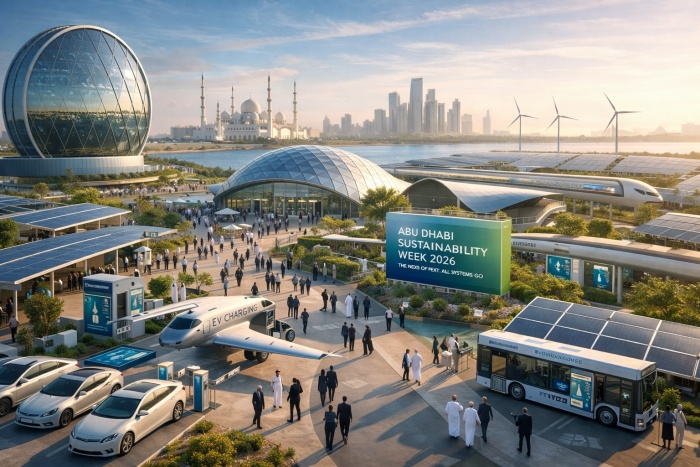
If Abu Dhabi Sustainability Week 2026 convenes world leaders under the theme The Nexus of Next: All Systems Go, one reality becomes inevitable. Travel and tourism are no longer a peripheral sustainability challenge. It is one of the most powerful system integrators we have.
Traveling is movement. It is the demand for energy, mobility infrastructure, digital platforms, finance, logistics, culture and human behavior that are coming together on a large scale. Few sectors touch so many systems at the same time. Fewer people still have the ability to influence how these systems evolve together.
For too long, the sustainability debate around travel has been kept in a narrow framework, with the emphasis solely on reducing emissions. Aviation targets. Hotel efficiency. Compensations and Disclosures. Necessary, but insufficient.
The perspective emerging from Abu Dhabi is more ambitious. Sustainability is no longer about optimizing individual sectors. It’s about system results. The question is not how travel itself reduces harm, but how it actively strengthens the resilience and performance of the systems it connects.
Transportation is where this becomes a reality. Electric mobility, sustainable aviation fuels, smart ports and low-carbon logistics are not isolated innovations. They are at the intersection of energy generation, grid flexibility, digital intelligence and capital allocation. When transportation planning is disconnected, inefficiency increases. When integrated, value connections.
Airports are no longer just gateways. They are energy hubs, mobility nodes and data platforms. Airlines are increasingly dependent on the resilience of their power grids, AI-enabled planning and sustainable fuel supply chains that extend far beyond aviation itself. Cities that integrate public transport, visitor flows, cooling demand and land use from the start perform better than cities that have to redesign later.
Tourism adds another layer of influence. Visitor demand is often the first real stress test for cities, revealing weaknesses in transport, water, waste and energy systems faster than any policy document. If poorly managed, it increases tension. When managed well, it accelerates investment, innovation and system reforms that benefit residents year-round.
This is why the future is not net-zero travel. It’s net positive travel.
A net-positive travel system contributes more to climate resilience, biodiversity and community well-being than it consumes. It finances renewable energy and clean infrastructure. It supports credible, nature-based solutions. It creates livelihoods and skills, while using digital intelligence to smooth demand, reduce waste and influence behavior at scale.
Achieving this requires a change in leadership mindset. Travel and transportation companies should not see themselves as isolated operators, but as managers of interconnected systems. Success will be defined less by individual ESG objectives and more by collaboration, shared data, aligned incentives and long-term value creation.
This is where Abu Dhabi Sustainability Week plays a crucial role. By bringing energy, finance, technology, urban design, nature and mobility into the same conversation, it reflects the reality that leaders now face. The future will not be built by perfecting sectors individually. It will be built by connecting them intelligently.
Travel is uniquely positioned to lead this shift. It crosses boundaries by design. It connects economies, cultures and infrastructure every day. In a world in flux, travel does not only respond to change. It shapes it.
If we design it with intention, travel and tourism can become one of the most powerful engines of a net-positive world.
By Justin Cooke