The Salary Needed to Buy a Home in America’s 10 Least Expensive Cities
Homebuyers are expected to earn enough to cover monthly housing costs, which can be a heavy financial burden in expensive markets. However, the nation’s most affordable metros require much lower incomes, giving working families some breathing room.
Of the 50 largest U.S. metro areas, the 10 least expensive cities stand out for having the lowest income requirements, with necessary household salaries of less than $85,000 to buy a home, according to a new analysis of housing data from Realtor.com®.
“Many of the most affordable metros are in the Midwest and parts of the South, regions that generally have more land, more new construction and a lower cost of living,” says Realtor.com’s senior economic research analyst. Hannah Jones. “These factors have kept home prices from rising as much as in the Coastal and Sun Belt markets.”
Pittsburgh, the nation’s most affordable housing market, with a median sales price of $245,000, calls for an annual minimum income of just $65,000, according to Realtor.com’s November 2025 housing market trends report.
A household earning that amount could easily cover a monthly mortgage payment of $1,630, which includes a mortgage with a 6.19% interest rate, as well as property taxes and insurance.
By comparison, to purchase a home at the national average list price of $415,000 in November, a buyer would have to earn more than $110,000 annually – about 70% more than in Pittsburgh.
Cleveland is the second most budget-friendly metro in terms of minimum income requirements, where the average buyer can purchase a $250,000 home while earning $66,538 per year.
Detroit ranks third, needing an annual income of roughly $68,000 to afford a single-family home with a price tag of $255,000, the median price for the metro in November.
“In markets like Pittsburgh, Cleveland and Detroit, the minimum annual income needed to afford a median-priced home ranges from roughly $65,000 to $70,000, well below the national benchmark and much more attainable for middle-income households,” Jones said.
Other notable metro areas where families of modest means can still access the housing market without stretching themselves too thin include Buffalo, NY; St. Louis; Birmingham, AL; Louisville, KY; Indianapolis; Oklahoma City, OK; and Memphis, TN. Average asking prices in these areas range from just under $260,000 to $319,000, with minimum income requirements as high as $85,000.
In the ten most affordable cities, total monthly payments generally remain near or below $2,100, despite today’s high mortgage rates of over 6%.
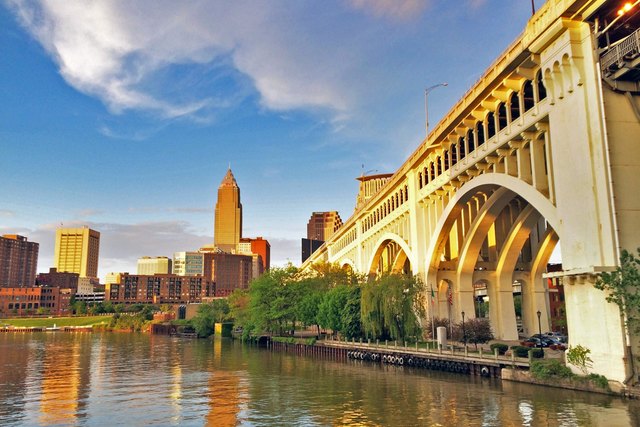
Focus on Cleveland
The typical home in Cleveland costs $165,000 less than the current national median, with monthly payments totaling about $1,660. A household earning $5,545 per month, or about $66,500 per year, can manage these expenses with relative ease.
Mike ValerinoCEO of Akron Cleveland Association of Realtorstells Realtor.com that Cleveland’s affordability comes down to stable, balanced market fundamentals.
“Housing prices have risen consistently here, but at a more moderate pace than in many more expensive metros, and incomes in the region remain more closely aligned with housing costs,” he says.
Another important factor, according to Valerino, is the composition of metro Ohio’s housing stock, which includes a wide range of homes for sale at different price ranges, from established neighborhoods with longtime homeowners to newer and emerging locations. This variety gives buyers options and helps avoid sharp price increases in markets with tight supply.
“Even as prices continue to rise modestly, affordability remains stronger here than in most major U.S. metros,” Valerino points out. “Many buyers find they can purchase a home that meets their long-term needs without making the trade-offs required in more expensive markets.”
In addition to affordable home prices, Cleveland offers access to a diverse job market, robust health care and educational institutions and a lower overall cost of living, the CEO said.
Geography of affordability
Location plays a crucial role in shaping the affordability gap between high- and low-income metros.
Jones explains that expensive metro areas, such as the coastal areas of San Jose, CA and Boston, are constrained by limited housing supply, stricter zoning and land use regulations, and persistent demand from affluent households.
“These pressures are driving prices up and affecting affordability, even for relatively well-paid buyers,” she says. “The result is a wide divergence in what a given income can buy depending on location.”
For example, a household earning $75,000 might be priced out of New York City or Los Angeles entirely, but could easily buy it in Pittsburgh or Detroit.
“This geographic divide appears to be influencing migration patterns,” says Jones. “Lower metros are increasingly serving as ‘sanctuary markets’ for buyers seeking relief from affordability pressures elsewhere, including remote workers, retirees and households moving from high-cost regions.”
Affordable markets in the Midwest, such as Grand Rapids, MI, St. Louis and Cleveland, posted the strongest price increases of the year, partly due to an influx of homebuyers from more expensive markets.
Valerino confirms that Cleveland is seeing growing interest from out-of-state home buyers seeking refuge in more expensive areas, but he emphasizes that most metro home buyers are still local.
“That kind of increased immigration supports the market without fundamentally reforming it,” he says.
The challenge now is to expand Cleveland’s housing supply to meet growing demand without overheating the market, keeping affordability accessible to future buyers, he added.
Jones agrees, saying higher interest rates could push prices up over time, especially if housing supply doesn’t keep pace with demand.
“Overall, the least expensive metros continue to provide a crucial outlet in today’s housing market,” she concludes.
The 10 metros with the most affordable minimum income
1.Pittsburgh, PA

Median list price: $245,000
Monthly payment: $1,630
Annual minimum income: $65,208
2. Cleveland, Ohio

Median sales price: $250,000
Monthly payment: $1,663
Annual minimum income: $66,538
3.Detroit, MI

Median list price: $255,000
Monthly payment: $1,697
Annual minimum income: $67,869
4. Buffalo, NY

Median list price: $259,900
Monthly payment: $1,729
Annual minimum income: $69,173
5. St. Louis, MO

Median list price: $291,900
Monthly payment: $1,942
Annual minimum income: $77,690
6. Birmingham, AL

Median list price: $298,500
Monthly payment: $1,986
Annual minimum income: $79,447
7.Louisville, Kentucky

Median list price: $309,900
Monthly payment: $2,062
Annual minimum income: $82,481
8. Indianapolis, IN

Median list price: $315,000
Monthly payment: $2,096
Annual minimum income: $83,838
9. Oklahoma City, OK

Median list price: $315,995
Monthly payment: $2,103
Annual minimum income: $84,103
10. Memphis, TN

Median list price: $319,000
Monthly payment: $2,123
Annual minimum income: $84,903