How the government shutdown is disrupting American air travel
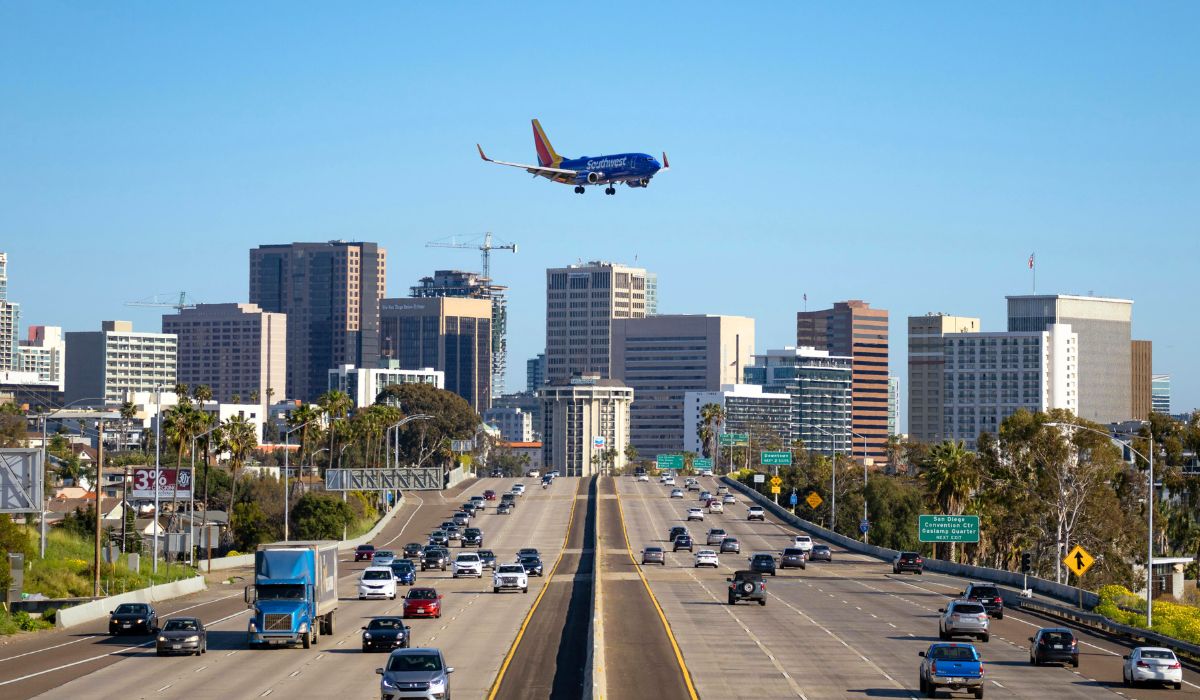
Like the 2025 federal government shutdown As it enters its second month, the impact on air travel is becoming increasingly visible. While the U.S. aviation system remains operational, increasing staff shortages and delayed federal oversight are causing measurable disruptions for travelers and airlines alike.
Shortages of controller and screen staff
Since the federal government does not have a full budget, thousands of essential aviation workers – including approximately 13,000 Federal Aviation Administration (FAA) air traffic controllers and approximately 50,000 Transportation Security Administration (TSA) officers – perform their duties without pay.
According to the FAA, nearly half of the 30 busiest U.S. airports reported that air traffic controller absences were serious enough to trigger internal staff alerts. At one location in the New York region, the absenteeism rate even reached 80%.
These shortages are not just nominal: the FAA has confirmed that some airports experienced average outbound delays of an hour or more due to staffing restrictions.
Delays, cancellations and holiday travel risks
Flight tracking data shows the extent of the disruption. More than 9,000 flights were delayed nationwide last weekend.
According to Sean Duffy, the U.S. Secretary of Transportation, the share of delays attributed to staffing issues rose sharply to about 53% in October — up from roughly 5% under normal conditions.
Examples:
- Delays of 2 to 3 hours were reported at Newark Liberty International Airport (EWR), with ripple effects across the network in the New York region.
- At Hollywood Burbank Airport (BUR), the control tower was unmanned for six hours, requiring alternate coordination and causing delays of up to four hours.
With major U.S. travel periods like Thanksgiving looming, industry observers warn that disruption could become even worse if workforce shortages persist.
Concerns about operational and safety oversight
In addition to immediate delays, the closure will also impact important oversight and infrastructure functions. Now that funding has lapsed, training for new controllers is on hold and factory inspections and security clearances are postponed.
While the FAA and airlines insist that safety remains intact, pressure on staff – many of whom are overworked, unpaid and with low morale – is raising concerns among air traffic representatives and unions.
A senior official admitted: “We will slow down traffic… you will see delays, we will have flights canceled to make sure the system is safe.”
Economic and Travel Experience Fallout
The effects are already material for travelers: longer security lines, unpredictability in the timetable, increased risk of missed connections. For airlines and airports, delays translate into higher costs, schedule disruption and reputational risk.
Some analyzes warn that if the shutdown continues, the costs to the broader economy — including tourism, freight and business travel — could reach hundreds of millions of dollars.
Meanwhile, industry groups warn that even if current disruptions appear moderate, the longer the shutdown lasts, the more likely the cascading effects will be on smaller airports, night flights and peak season traffic.
Outlook: What to Watch
- Expect more frequent and longer delays at hubs where staffing pressures are greatest – especially New York, Los Angeles, Dallas/Fort Worth and Chicago.
- Airlines advise travelers to do this arrive earlycheck flight status and allow extra time for connections.
- If the shutdown continues beyond the major holiday period, the secondary effects (baggage handling, ground services, maintenance supervision) may also worsen.
- Policymakers are facing increasing pressure, with the aviation industry indicating that the system is approaching its tolerance threshold.